Restaurant owners know marketing matters, but many don't know where to start on Monday morning. A restaurant marketing plan helps by breaking big marketing goals into small tasks that fit around a busy service schedule.
This plan runs twelve weeks in four stages: Get Found (weeks 1-3), Get Chosen (weeks 4-6), Get Direct Orders (weeks 7-9), and Bring Customers Back (weeks 10-12). Week 1 is a free check of your restaurant's online visibility, which shows where to start. The other eleven weeks fix what it finds, with no marketing agency or degree needed.
What should a restaurant marketing plan include?
A good plan has five parts: one clear goal, a defined guest, two or three channels, a simple weekly schedule, and a few marketing KPIs to track progress. For most small restaurants, a one-page plan with twelve rows, one per week, is enough. The sequence below keeps your effort pointed at what actually moves orders.
Weeks 1-3: How can local marketing help restaurants get found?
Visibility comes first. Customers use Google to find restaurants and Google Maps to find the location.
Week 1: Assess your online presence
Run a free visibility check to see how your restaurant shows up on Google, Maps, and AI tools like ChatGPT. The results show which gaps to fix first, so you don't waste weeks guessing.
Week 2: Optimize your Google Business Profile
Update your Google Business Profile with your hours (including holiday hours), menu, and recent photos. Add your direct link so diners can reserve a table or place an online order.
Week 3: Strengthen your local search presence
Keep your NAP data - business name, address, and phone number - identical on every listing platform. Consistent NAP keeps your local SEO strategy strong.
Not sure where to begin?
Run a free visibility check to get your Week 1 baseline.
Weeks 4 to 6: Which restaurant marketing tactics help guests choose you?
Being found is only half the job. Guests also decide whether your restaurant is worth visiting, and they do that through trust built before they ever walk in.
Week 4: Help customers choose your restaurant
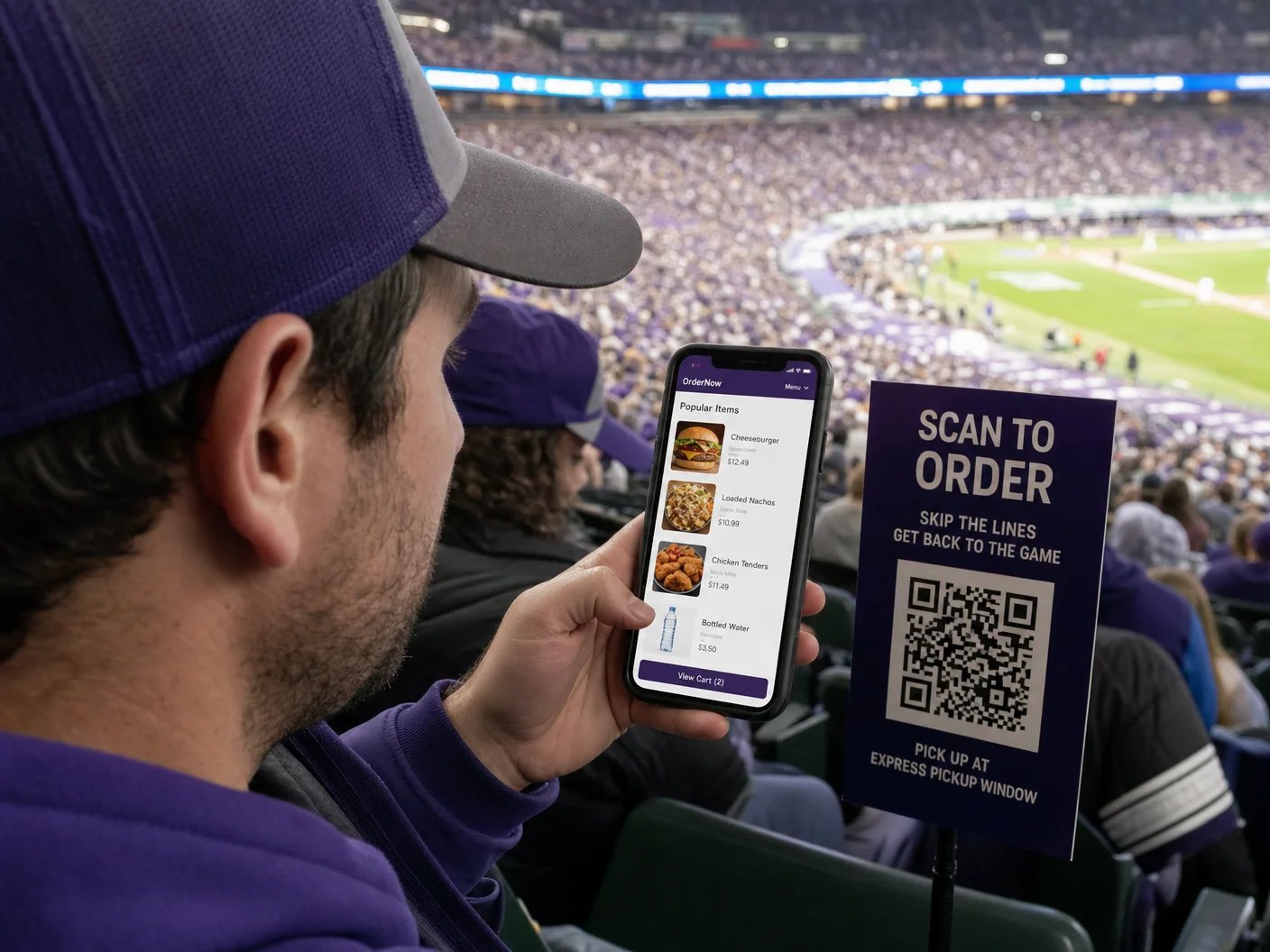
Put a QR code on receipts and remind staff to ask for a Google review while guests pay. Reply to every review, positive or negative.
Week 5: Use real food photos and simple menu descriptions
Skip internet stock images and post real dishes shot in natural light. Write menu descriptions the way your staff would say them out loud.
Week 6: Build a light social media strategy
Choose one platform and post three times a week: guest tags, staff moments, and your signature dishes. Invite local food bloggers or influencers to review your menu, so diners know what to expect before they arrive.
Weeks 7-9: How do restaurants use digital marketing to get direct orders?
Visibility alone is not enough. You want customers to order directly instead of through third-party apps, which take a commission on every sale and keep your guest information. A branded ordering page lets you keep both. Ordering directly on your own site also lets you offer weekly and holiday deals, which gives guests another reason to skip the apps. Effective digital marketing sends every channel to a place you own.
Tired of paying commission on every order?
A branded ordering page with 0% commission. The restaurant transaction fee is 0% or 3.5%, depending on plan.
Week 7: Create your ordering page
Set up a branded ordering page on your own website. It is one of the most useful marketing moves a restaurant can make, because the guest details and the sale stay with you instead of going to an app.
Week 8: Put the link where guests will see it
Add it to your Google profile, social bios, email signature, receipts, table cards, and printed menus.
Week 9: Run a promotion
Use a restaurant promotion to move guests off the apps: a special offer on first orders over a set amount, a time-limited deal, or a free first-order bonus.
Weeks 10 to 12: How do you bring customers back?
Don't only chase new guests. Bringing your regulars back is often the faster way to grow.
Week 10: Collect contact details and say hello
Collect contact details at checkout and on your website, then send a short welcome email.
Week 11: Turn visitors into regulars
Offer a simple reward, such as a loyalty program, a birthday treat, or a quiet-night special. Keep it simple enough that staff can explain it in one sentence.
Week 12: Check what worked
Compare your results with Week 1. Look at visibility, website traffic, direct sales, reviews, and repeat customers. Decide what helped most and what needs work, then start the next 12-week cycle.
How do you measure restaurant marketing success?
Check a small number of marketing KPIs once a month instead of watching them all day:
- Profile views, direction requests, and calls
- Review count and average rating
- Direct orders compared with app orders
- Repeat guest rate
- Email and loyalty sign-ups
If direct orders and repeat visits are rising, the plan is working. If you'd rather not track this yourself, a restaurant marketing partner can handle the monthly reporting.
Ready to put these marketing tips into action?
A marketing plan works when it's short enough to finish. Twelve weeks, one task at a time, will raise your visibility, build trust, win direct orders, and keep guests coming back. Start with the visibility check, then build the ordering page so every new guest has a place to order that you own.
Key takeaways
- Get Found (weeks 1-3): Start with a visibility check, then work on what it finds in your Google Business Profile. Make your name, address, and phone number consistent everywhere; the next nine weeks depend on it.
- Get Chosen (weeks 4-6): Ask for reviews, swap stock photos for real food, and post on one social platform three times a week to build trust before guests arrive.
- Get Direct Orders (weeks 7-9): Put a branded ordering page on your site with DevourNow Core, link it from every channel, and offer a first-order discount or daily special.
- Bring Customers Back (weeks 10-12): Build your contact list, add a loyalty or birthday program, compare results with week one, and keep only what worked.
Frequently asked questions
How to create a restaurant marketing plan?
Start by checking what's online. Look at your website, social media, and review sites. Then pick a goal, like increasing direct orders or getting more repeat visits. Complete the tasks in this order: found, chosen, direct orders, and repeat visits.
How do you measure restaurant marketing success?
Track profile views, reviews, direct orders, and repeat guest rate monthly, and compare them with your week one baseline.
What is the best marketing strategy for a restaurant?
No tactic is universal, but an active Google profile, regular social media posts, and a branded ordering page cover most independent restaurants' needs, while a restaurant marketing plan puts the daily tasks in order.
How can a restaurant attract more customers through marketing?
By being easy to find online, earning genuine feedback, taking orders directly, and building customer loyalty.

Stan Liachev, PhD, brings over 30 years of software leadership to restaurant technology via DevourNow. He champions local and small-chain restaurants into carving an online space of their own, guiding them to tap into the modern customer base through expert tools, so they don't lose out on commissions.
See your restaurant's AI & Google visibility score.
Run a free 120-point audit and discover exactly what's costing you orders - then fix it with DevourNow's commission-free growth platform.